Going For It! Using Acceptance and Commitment Therapy Techniques to Find Direction
Part Two
As discussed back in Part One of this post, this is where we will Go For It!
Imagine your life is like a car moving along a road. The roads in question are your values. We all have our preferences for the kind of scenery we want to see as we are driving. Some views are not for us, while others are just perfect. In order to follow the roads we want to (our values), we need to have the correct directions and a key to start the engine. These next steps will help you to program in your directions and turn the key.
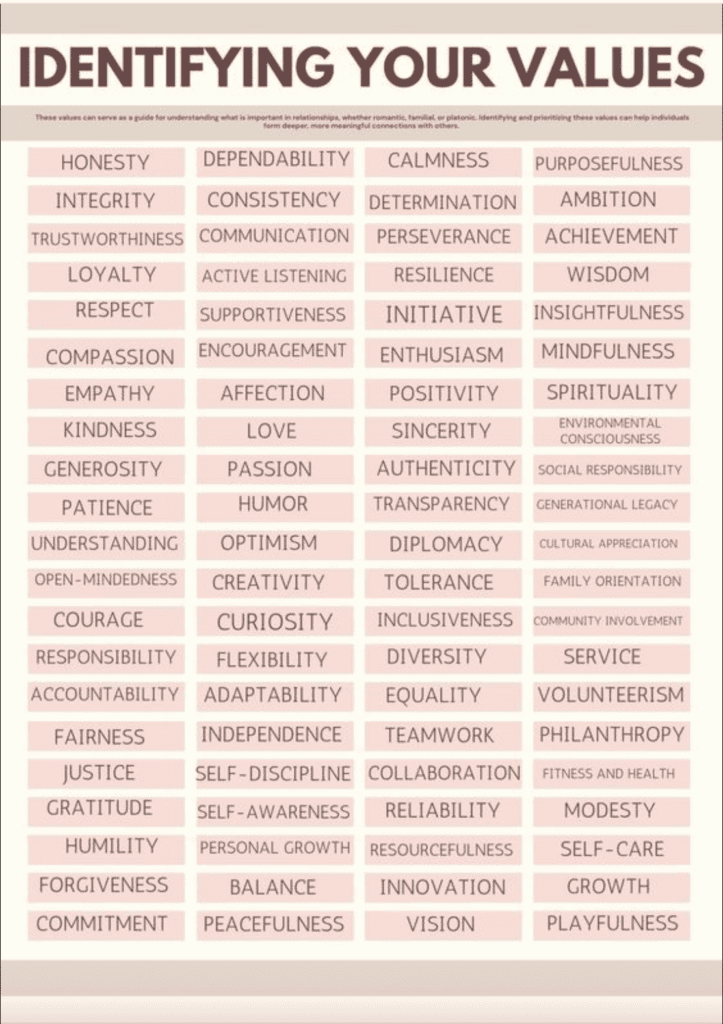
First we must choose a road to follow. Use your values! Which of your values do you not feel you are living by currently? Which values do you wish were more present in your day-to-day life? Name these values and keep them in mind.
Next we need to set our directions. Set SMART goals that help us to live by our values.
S – Specific actions you will take. Be as specific as possible
M – Meaningful. Actions should be guided by your values
A – Adaptive. This goal should help improve your fulfilment and quality of life
R – Realistic. This goal should be actually achievable given the context of your situation (resources, health, ability, etc…)
T – Time-framed. Set a specific time frame to help you follow through with your goal. Name a specific date and time or range when you will commit to these actions. Make sure this time is available and accurate.
Now that you have set your SMART goals, you have your directions. You know where you want to go and how to get there. All you need now is the KEY! And the key is doing it. Really try your best to go for it and follow through on your plans. Take small steps and plan for things that might get in the way of engaging in these goals. There is no shame in starting small and gaining momentum. You know yourself best; see if you can think of what might stop you from engaging in these actions. What can you do to prevent these barriers and follow through? Take note of your victories and successes (no matter how small). Once you finish one goal, set another! Try other values and domains of your life that are important to you. See how far you can take it. You are behind the wheel! The engine is on, the directions are telling you where to go, and the view is beautiful outside!
Final notes and remarks:
This is not a cure-all. While finding our values and trying to live by them can give us direction, our problems are complex and require complex solutions. It is helpful to work with someone to help you navigate this journey. I recommend seeking out a counselor, therapist, or psychiatrist to help explore your thoughts, feelings, behaviors, and the things that are keeping you stuck. There’s a lot more to healing than just finding direction and going for it.
Although I use and appreciate the terms and techniques mentioned in this blog post, they are not my ideas. This blog post represents a short summary of works from other brilliant psychologists like Steven Hayes and Russ Harris. I highly recommend looking into their work on your own time to gain a further sense of these concepts and more!
Last, but certainly not least… Be kind to yourself. This is really hard work and I do not want to let that acknowledgement go unnoticed. Committing to healing, in whatever form that may be, is a massive step and even just reading this and wanting to make a change is an important accomplishment. There will be ups and downs throughout this journey, but regardless of how you may be feeling, I ask that you try to be kind to yourself for what you have been through and where you are going.
References
Harris, R. (2019). ACT made simple: An easy-to-read primer on acceptance and commitment therapy (2nd ed.). New Harbinger Publications.
Hayes, S. C., Strosahl, K., & Wilson, K. G. (1999). Acceptance and Commitment Therapy: An experiential approach to behavior change. New York: Guilford Press.
Think2Perform. (2025). Values Cards Exercise. Think2perform. https://www.think2perform.com/values/